Hydroquinone Cream USP 4%, 30g for Dark Spots & Uneven Tone
Get notified when this item is back in stock
Kligman Melasma Protocol
Most Popular


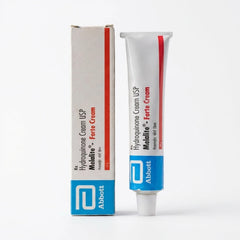
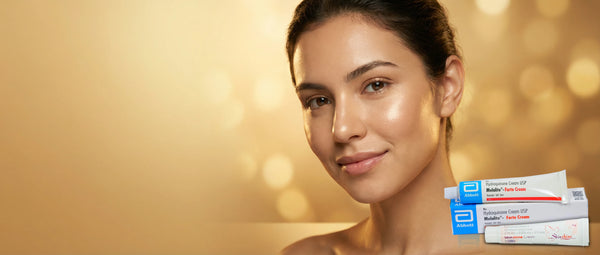
Melalite Forte Hydroquinone 4%
R399.99
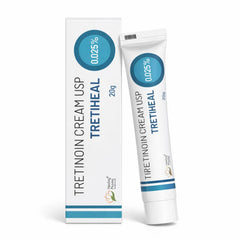
Tretinoin Cream 0.025%
R385.99
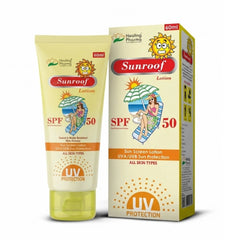
Sunroof SPF 50 Sunscreen
R209.99
Discount applied at checkout


Product Description
Hydroquinone cream 4 percent is widely used for managing visible pigmentation concerns such as dark patches, melasma, and uneven tone. Many people choose this treatment when they want to improve skin clarity and reduce stubborn discoloration caused by acne, sun exposure, or skin irritation. This formula contains hydroquinone 4%, a well known depigmenting agent that helps control excess pigment production in the skin. By slowing down melanin formation, it gradually lightens dark areas and improves overall tone. With continued use, the skin appears clearer, brighter, and more even. Melalite Forte Cream 30g by Abbott is commonly selected for targeted application on affected areas. It is often chosen by users looking to buy hydroquinone cream 4 percent online in South Africa for focused dark spot treatment.
- • Helps reduce melasma and visible pigmentation
- • Fades dark spots, freckles, and sun related marks
- • Improves uneven skin tone
- • Supports lightening of acne related marks
- • Promotes clearer and brighter looking skin
Who Can Use Hydroquinone Cream USP 4%
Adults with pigmentation concerns or melasma, people with dark spots, freckles, or sun damage, individuals with post acne marks, users looking for targeted depigmentation treatment, and people planning to buy hydroquinone cream 4% in South Africa.
How to Apply Hydroquinone Cream 4 Percent
Begin with a patch test to check skin sensitivity. Cleanse the skin and allow it to dry fully before use. Apply a small amount using your fingertips and spread a thin layer only on the dark areas, not across the entire face. Use once daily, preferably at night. Avoid contact with eyes, lips, and sensitive zones. Wash hands after applying. This treatment is usually used for a limited period, often up to a few months, followed by a break. During this pause, some users continue care with ingredients like azelaic acid or vitamin C to maintain results. Daily sunscreen use is essential to protect the skin and prevent pigmentation from returning. Application routine — Week 1 to 2: apply once daily at night on dark areas only. Week 3 to 8: continue regular use on affected spots. Week 9 to 16: maintain use as pigmentation starts fading. Long term: stop after a few months and take a break. Important Note: Always use sunscreen during the day to protect treated skin.
How Hydroquinone Cream 4 Percent Reduces Pigmentation
Hydroquinone 4% works by targeting the cells responsible for producing pigment in the skin. It slows down the activity of these cells and blocks the process that forms melanin. As a result, dark patches gradually become lighter and the skin tone starts to look more balanced and even over time.
Ingredients of Hydroquinone Cream 4 Percent
Hydroquinone — 4%
Inactive ingredients
- • Mineral oil
- • Squalane
- • Propylene glycol
- • Glyceryl monostearate
- • Polyoxyl 40 stearate
- • PEG 25 propylene glycol stearate
- • Stearic acid
- • Lecithin
- • Sodium metabisulfite
- • Propylparaben
- • Isopropyl myristate
- • Stearyl alcohol
- • Xanthan gum
- • Sorbic acid
- • Butylated hydroxytoluene
- • Purified water
Safety Guidelines
Important
- • Avoid strong sun exposure during use
- • Apply sunroof lotion SPF 50 every day
- • Keep away from eyes and sensitive areas
- • Do not use on broken or irritated skin
- • Avoid use during pregnancy or breastfeeding
- • Not recommended for children under 12
- • Do not continue use for more than 4 to 5 months without a break
- • Long term overuse may lead to skin darkening issues
- • Avoid using with benzoyl peroxide gel
- • Do not combine with hydrogen peroxide products
- • Store between 20°C and 25°C
- • Keep away from heat and direct sunlight
- • Close the tube properly after use
- • Keep out of reach of children
This information is general guidance only and should not replace advice from a healthcare professional.
Results of Hydroquinone 4%
- Weeks 2 to 4 slight lightening of dark areas may begin
- Weeks 4 to 8 visible reduction in pigmentation
- 8 to 12 weeks more even and clearer skin tone
Note: If no change is seen after several weeks, further guidance may be needed.
Possible Side Effects
Common
- • Mild burning
- • Redness
- • Dryness
- • Irritation
- • Itching
Less Common
- • Skin swelling
- • Allergic reaction
- • Dark discoloration in rare cases
These effects are usually temporary and reduced with continued use.
Shipment & Return Policy
For delivery and return details, please refer to our Shipment & Return Policy.
How does it compare?
About this product
Need help choosing?
Message us and we’ll guide you to the right products.
Support hours: Mon–Fri, 9am–5pm SAST

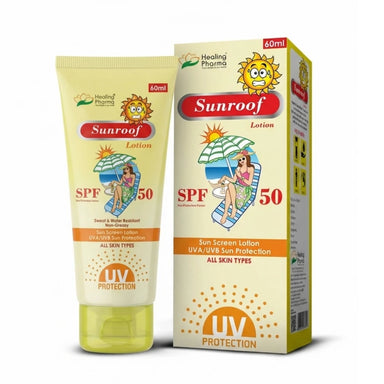
Sunroof SunScreen Lotion SPF 50 UVA/UVB for Sun Protection
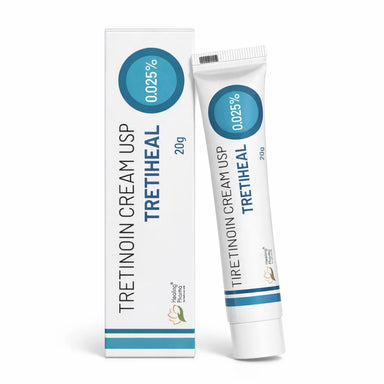
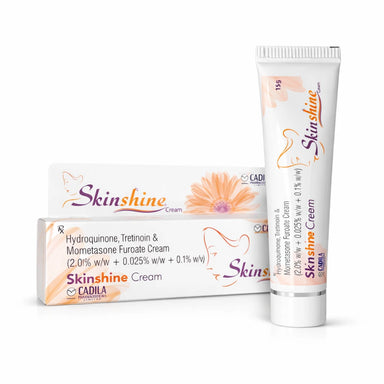
Hydroquinone, Tretinoin and Mometasone Furoate Cream for Dark Spots
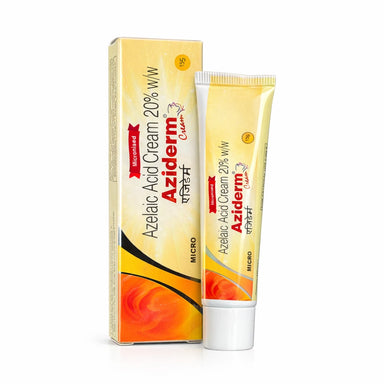
Azelaic Acid Cream 20%, 15g for Acne, Redness, & Hyperpigmentation