Which Tretinoin Strength is Best for Acne, Pigmentation and Wrinkles?
Choosing a tretinoin strength sounds simple until you see the different percentages available. Many South Africans find themselves comparing 0.025%, 0.05%, and 0.1% without knowing which one actually matches their skin concerns.
Choosing a tretinoin strength sounds simple until you see the different percentages available. Many South Africans find themselves comparing Tretinoin 0.025%, 0.05%, and 0.1% without knowing which one actually matches their skin concerns. Some want clearer skin, others want to fade stubborn pigmentation, while many are looking for smoother skin with fewer visible lines.
The challenge is that acne, dark spots, and wrinkles do not respond in exactly the same way. Acne develops from clogged pores and excess oil production. Pigmentation appears when excess melanin builds up in certain areas of the skin. Wrinkles develop as collagen levels gradually decline over time. Since these concerns affect the skin differently, the ideal tretinoin strength can vary from person to person.
Many people assume that the strongest percentage will produce the fastest results. In reality, stronger is not always better. Higher concentrations can increase dryness, redness, peeling, and irritation, especially during the first few months of use. When irritation becomes difficult to manage, people often reduce usage or stop treatment completely, which can slow progress.
According to our skincareproduct.co.za, the most effective tretinoin strength is usually the one that delivers steady improvement while remaining comfortable enough for long term use. Finding the right balance between results and skin tolerance is often more important than choosing the highest percentage available.
In this guide, we will compare the most common tretinoin strengths collection, explain which options may suit different skin concerns, and help you understand how to choose the right concentration for acne, hyperpigmentation, and anti-aging goals.
What Tretinoin Does Inside the Skin

Tretinoin is a vitamin A derivative that works beneath the skin's surface rather than simply treating visible symptoms. It influences how skin cells grow, renew, and function over time. This is why it is widely used for acne, pigmentation concerns, and signs of aging.
Cell Turnover
One of the main actions of tretinoin is increasing skin cell turnover.
Normally, dead skin cells can build up on the surface and inside pores. Tretinoin encourages older cells to shed more efficiently while supporting the movement of newer cells toward the surface. This renewal process helps improve skin texture and creates a smoother, more even appearance over time.
Faster cell turnover is also one reason many people notice brighter looking skin after several months of consistent use.
Collagen Stimulation
Collagen is a structural protein that helps keep skin firm, smooth, and resilient.
As people age, natural collagen production gradually slows. Tretinoin helps stimulate collagen activity within the skin, which can improve the appearance of fine lines, wrinkles, and early signs of photoaging.
According to our findings, collagen improvement develops gradually and often becomes more noticeable after several months of regular use. This is why tretinoin is often viewed as a long term anti aging treatment rather than a quick fix.
Pore Clearing
Blocked pores are one of the main causes of acne.
Tretinoin helps prevent dead skin cells from accumulating inside pores, reducing the formation of blackheads, whiteheads, and other blemishes. By keeping pores clearer, it can also help reduce the number of new breakouts that develop over time.
This pore normalizing effect is one reason tretinoin remains one of the most widely used topical treatments for acne prone skin.
Pigment Correction
Dark spots and uneven skin tone often develop when excess pigment becomes concentrated in certain areas of the skin. Tretinoin helps improve the distribution of pigment by increasing skin renewal. As older pigmented cells are gradually replaced, post acne marks, sun related discoloration, and uneven tone may become less noticeable.
For many South Africans dealing with pigmentation concerns, patience is important. Pigment correction usually develops more slowly than acne improvement, and consistent use alongside daily sun protection often delivers the best results. People trying to understand different types of pigmentation can also explore our guide on Acne Marks vs Dark Spots before building a treatment routine.
Tretinoin Strengths Explained
Tretinoin is available in different concentrations, with each strength offering a different balance between effectiveness and irritation. The right choice depends on your skin concerns, previous retinoid experience, and how well your skin tolerates treatment.
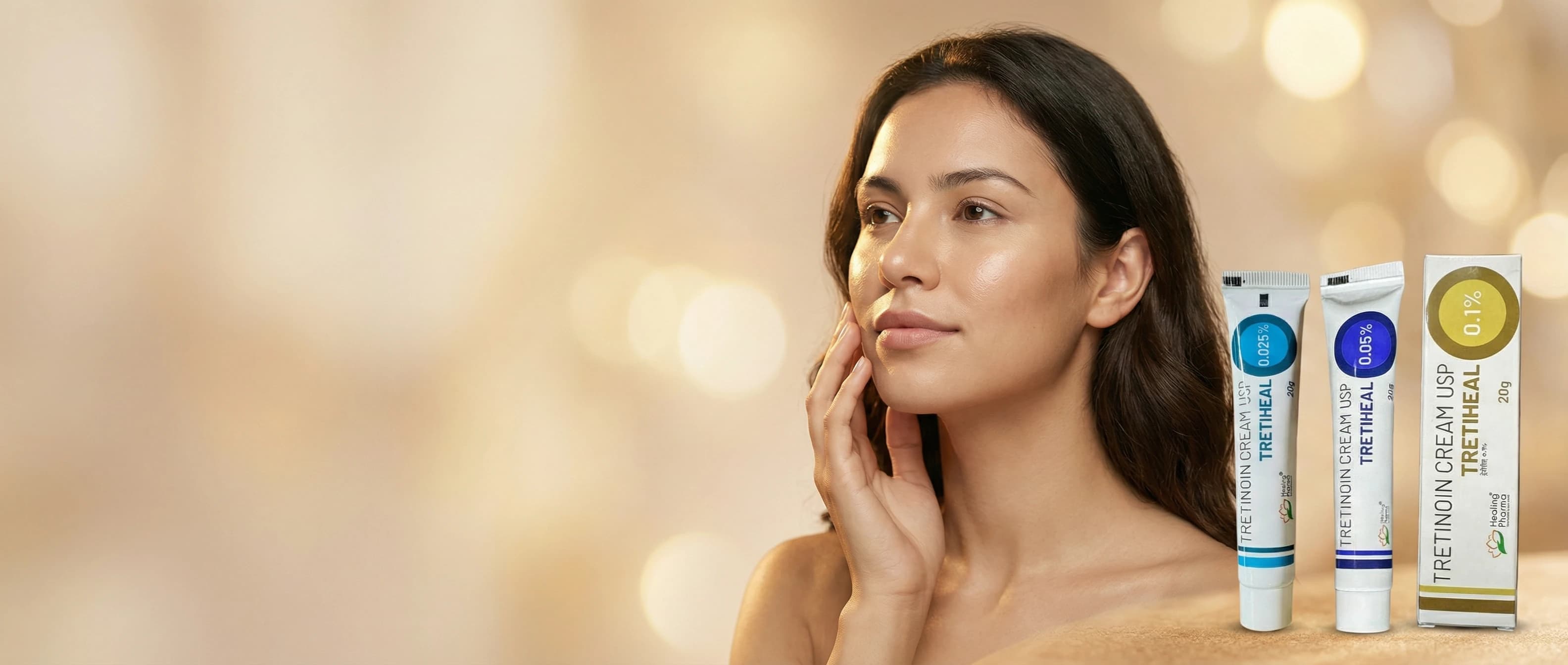
Tretinoin Cream 0.025%
Tretinoin cream 0.025% is often considered the starting point for many users.
This strength is commonly chosen for mild acne, early signs of aging, uneven skin tone, and people who are new to prescription retinoids. It provides effective skin renewal while reducing the likelihood of excessive irritation.
Many people assume that a beginner's strength delivers weaker results. However, according to our findings, 0.025% can still produce meaningful improvements in acne, pigmentation, and fine lines when used consistently over time.
This concentration is often suitable for:
-
First time tretinoin users
-
Sensitive skin
-
Mild acne
-
Early wrinkles
-
Post acne marks
Tretinoin Cream 0.05%
Tretinoin cream 0.05% sits in the middle of the strength range.
It is commonly used by people who have already adapted to lower strengths or those dealing with more noticeable acne, pigmentation, and visible signs of aging. This concentration provides greater stimulation while still remaining manageable for many skin types.
For some users, 0.05% becomes the long term maintenance strength because it offers a practical balance between results and tolerability.
This concentration is often suitable for:
-
Moderate acne
-
More noticeable pigmentation
-
Visible fine lines and wrinkles
-
Combination and oily skin
-
Users with previous retinoid experience
Tretinoin Cream 0.1%
Tretinoin cream 0.1% is the highest standard topical concentration.
This strength is generally reserved for experienced users who have already built tolerance through lower percentages. While it provides the strongest concentration, it also carries the highest risk of dryness, peeling, redness, and irritation.
Many people assume 0.1% automatically delivers better outcomes. In reality, success depends on whether the skin can tolerate regular use. A lower strength used consistently often performs better than a higher strength used inconsistently.
This concentration is often suitable for:
-
Persistent acne
-
More advanced photoaging
-
Experienced tretinoin users
-
Skin that already tolerates lower strengths well
Cream Versus Gel
Strength is only one part of the equation. Formulation can also affect how tretinoin feels on the skin.
Tretinoin Cream
-
Usually preferred for normal, dry, or sensitive skin
-
Contains a more moisturizing base
-
Often feels gentler during the adjustment period
-
May help reduce excessive dryness
Tretinoin Gel
-
Commonly chosen for oily and acne prone skin
- Users comparing different Tretinoin Gel Strengths often prefer gel formulations when excess oil and recurring breakouts are major concerns.
-
Absorbs more quickly
-
Often feels lighter on the skin
-
Can sometimes cause more dryness than cream formulations
Suitable Skincare Essentials for Oily skin can help maintain hydration while keeping the routine lightweight and comfortable. At the same percentage, a gel may feel stronger than a cream simply because of how it absorbs and interacts with the skin. Choosing the right formulation can be just as important as choosing the right strength.
Tretinoin Strength Chart for South African Skin Concerns
Choosing the right tretinoin strength becomes easier when you match the concentration to your main skin concern rather than simply choosing the highest percentage available. The chart below provides a general guide based on acne severity, pigmentation concerns, signs of aging, and skin tolerance.
|
Concern |
Suggested Strength |
Skin Type |
Irritation Level |
|
Mild acne and occasional breakouts |
0.025% |
Sensitive, normal, combination |
Low to moderate |
|
Post acne marks and early hyperpigmentation |
0.025% |
Most skin types |
Low to moderate |
|
Fine lines and early signs of aging |
0.025% |
Normal, dry, sensitive |
Low to moderate |
|
Moderate acne and clogged pores |
0.05% |
Combination, oily |
Moderate |
|
Uneven skin tone and sun induced pigmentation |
0.05% |
Normal, combination, oily |
Moderate |
|
Moderate wrinkles and visible photoaging |
0.05% |
Normal to oily |
Moderate |
|
Persistent acne that has not improved with lower strengths |
0.1% |
Oily, resilient skin |
High |
|
Advanced photoaging and deeper wrinkles |
0.1% |
Experienced retinoid users |
High |
The most effective tretinoin strength is not always the highest percentage. It is the concentration that allows regular use without ongoing redness, excessive peeling, or barrier damage.
Best Tretinoin Strength for Acne

Acne does not look the same for everyone. Some people deal with occasional blackheads, while others struggle with inflamed breakouts or long lasting adult acne. The right tretinoin strength depends on the type of acne, skin tolerance, and how consistently the treatment can be used.
Mild Acne
Mild acne usually includes blackheads, whiteheads, and occasional small pimples.
For most people, tretinoin 0.025% is the best starting point. This strength increases skin cell turnover, helps keep pores clear, and reduces the buildup of dead skin cells that contribute to breakouts.
Benefits of 0.025% for mild acne:
-
Helps unclog pores
-
Reduces blackheads and whiteheads
-
Lower risk of irritation
-
Suitable for beginners
-
Easier to use consistently
According to our findings, many people with mild acne do not need stronger concentrations to achieve noticeable improvement.
Inflammatory Acne
Inflammatory acne includes red pimples, swollen bumps, and painful blemishes that develop deeper within the skin.
For this type of acne, tretinoin 0.05% often provides a better balance between effectiveness and tolerability. The increased concentration supports faster pore renewal and can help reduce recurring breakouts.
Benefits of 0.05% for inflammatory acne:
-
Supports clearer pores
-
Helps reduce recurring blemishes
-
Improves overall skin texture
-
Suitable for users who already tolerate lower strengths
A gradual transition from 0.025% to 0.05% is usually more comfortable than immediately starting with a stronger concentration.
Adult Acne
Adult acne is common in South Africa and often appears along the jawline, chin, and lower face. Many adults also deal with dark marks left behind after breakouts.
For adult acne, 0.025% to 0.05% is often the most practical range.
These strengths can help:
-
Reduce clogged pores
-
Improve skin texture
-
Support fading of post acne marks
-
Address early signs of aging at the same time
This dual benefit makes tretinoin a popular option for adults who want to improve both acne and overall skin appearance.
Severe Acne
Severe acne may involve widespread inflammation, cystic breakouts, or persistent acne that has not responded well to lower strengths.
In these situations, tretinoin 0.1% may be considered for experienced users whose skin already tolerates tretinoin well.
Potential benefits of 0.1% include:
-
Stronger pore clearing activity
-
Greater support for resistant acne
-
Increased skin renewal
However, higher strength also brings a greater chance of:
-
Dryness
-
Peeling
-
Redness
-
Skin barrier irritation
According to our findings, starting with 0.1% is rarely necessary. Many people achieve excellent acne control with 0.025% or 0.05% while experiencing fewer side effects. People comparing tretinoin with other Acne Treatments should focus on long term consistency rather than strength alone.
Best Tretinoin Strength for Dark Spots
Dark spots can develop for several reasons, including acne, inflammation, excessive sun exposure, and hormonal changes. While tretinoin is widely used to support skin renewal and improve overall tone, choosing the correct strength is important because excessive irritation can sometimes make pigmentation concerns worse instead of better.
Post Inflammatory Hyperpigmentation
Post inflammatory hyperpigmentation develops after the skin heals from inflammation. It is especially common after acne, irritation, insect bites, or skin injuries.
For most people, tretinoin 0.025% is often the preferred starting point.
This lower concentration helps by:
-
Supporting gradual skin renewal
-
Encouraging the removal of pigmented surface cells
-
Reducing the risk of irritation related darkening
-
Allowing long term consistent use
According to our findings, many pigmentation concerns improve steadily when skin renewal is maintained without excessive redness or peeling.
Acne Marks
Acne marks are one of the most common reasons people begin using tretinoin. These marks can remain visible for weeks or even months after breakouts have healed.
For acne related pigmentation, 0.025% and 0.05% are usually the most practical strengths.
These concentrations may help:
-
Improve skin turnover
-
Support a more even complexion
-
Reduce the appearance of lingering acne marks
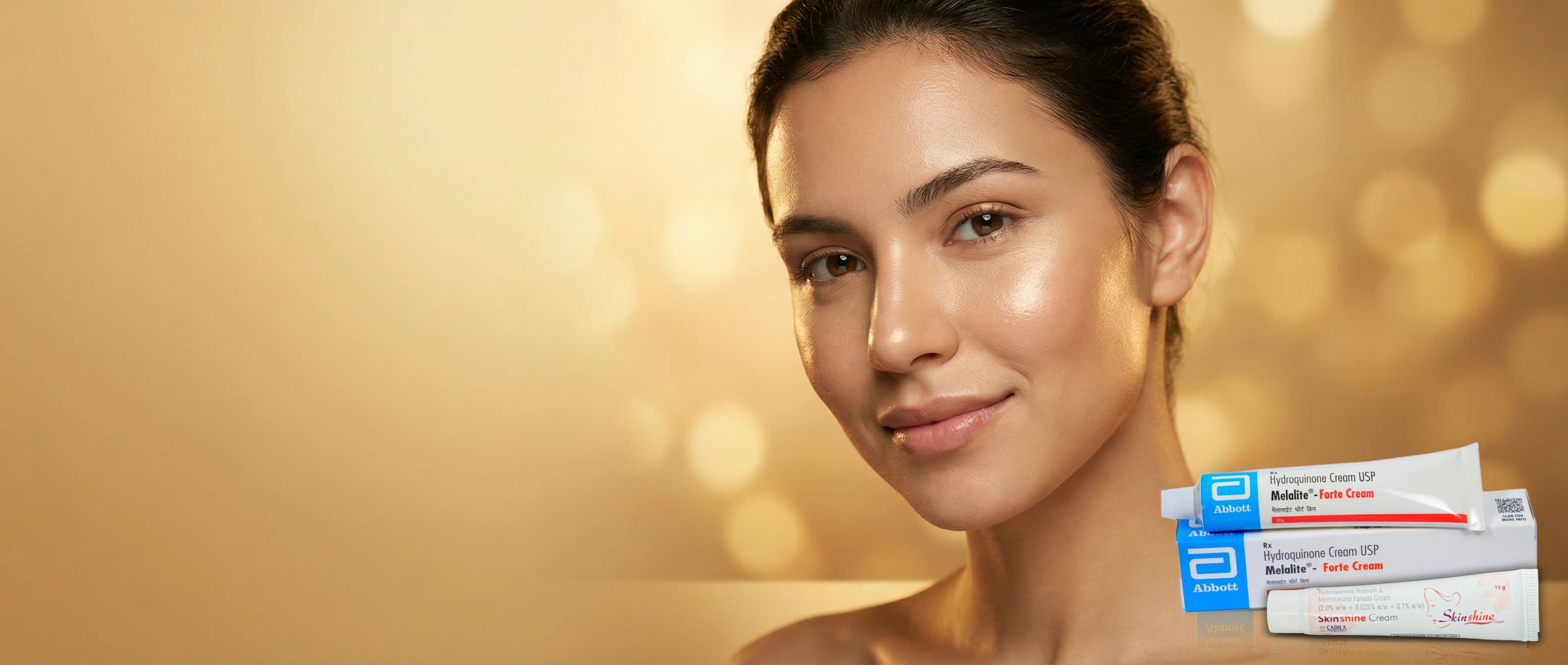
- Some users also compare tretinoin with Hydroquinone Cream for Dark Spots when treating more stubborn pigmentation concerns.
-
Improve overall skin texture
According to skincareproduct.co.za, many users searching for pigmentation support are often surprised to learn that moving to the highest strength does not automatically produce faster fading of dark spots. Consistent use is often more valuable than increasing concentration too quickly.
Uneven Skin Tone
Uneven skin tone can result from a combination of sun exposure, previous breakouts, inflammation, and natural pigment variation.
For this concern, tretinoin 0.05% often provides a good balance between effectiveness and tolerability for people who already have some experience with retinoids.
Potential benefits include:
-
More uniform skin appearance
-
Smoother skin texture
-
Gradual improvement in discoloration
-
Support for ongoing collagen renewal
People with sensitive skin may still achieve excellent results with 0.025%, especially when used consistently over several months.
Melasma Considerations
Melasma differs from ordinary dark spots because it involves deeper pigment changes that are often influenced by hormones and sun exposure.
This condition can be particularly sensitive to irritation.
For many individuals with melasma, starting with 0.025% is often the safer approach. A gradual increase may be considered only after the skin demonstrates good tolerance.
Important points to remember:
-
Excessive irritation can sometimes worsen pigmentation
-
Consistent sun protection is essential
-
Lower strengths may be easier to maintain long term
-
Skin barrier health plays a major role in visible improvement
- A consistent Hyperpigmentation & dark spot routine often produces better long term results than frequently switching products.
According to skincareproduct.co.za findings, people often focus on strength alone when treating pigmentation. In reality, daily sun protection, skin barrier support, and long term consistency usually have just as much influence on the final outcome as the percentage of tretinoin being used.
For most pigmentation concerns, 0.025% to 0.05% remains the range that provides the best balance between gradual pigment correction and manageable irritation. Other Skin Brightening Treatments may also be considered depending on the cause and severity of pigmentation.
Skin of Colour Considerations When Choosing Tretinoin
People with skin of colour often have unique pigmentation concerns that should be considered when selecting a tretinoin strength. While tretinoin can help improve acne, dark spots, and uneven skin tone, choosing a concentration that the skin can tolerate comfortably is often more important than choosing the highest available strength.
Why Irritation Can Trigger Pigmentation
One of the biggest concerns for skin of colour is post inflammatory hyperpigmentation.
When the skin becomes irritated, inflamed, or damaged, pigment producing cells can become more active. This may cause existing dark marks to appear darker or lead to new areas of pigmentation.
Common irritation triggers include:
-
Starting with a strength that is too high
-
Applying tretinoin too frequently
-
Excessive peeling and redness
-
Overusing exfoliating products
-
Poor barrier support
According to skincareproduct.co.za findings, many people assume stronger tretinoin will fade pigmentation faster. In reality, excessive irritation can sometimes slow progress by creating additional inflammation within the skin.
Starting Strength Recommendations
For most people with skin of colour, tretinoin 0.025% is often the most sensible starting point.
This concentration allows the skin to begin adapting while keeping irritation more manageable.
General guidance includes:
-
0.025% for beginners, sensitive skin, and pigmentation concerns
-
0.05% for users who already tolerate lower strengths well
-
0.1% only for experienced users with strong skin tolerance
The goal is to improve cell turnover without creating unnecessary inflammation that could worsen discoloration.
Building Tolerance Gradually
Successful tretinoin use is usually built over months rather than weeks.
Gradual introduction allows the skin barrier to adjust while reducing the likelihood of excessive dryness and peeling.
A gradual approach may include:
-
Starting with fewer applications each week
-
Increasing use slowly as tolerance improves
-
Using a moisturiser to support barrier function
-
Wearing broad spectrum sunscreen every day
-
Avoiding unnecessary active ingredients during the adjustment phase
Best Tretinoin Strength for Wrinkles

Wrinkles develop gradually as collagen production slows and years of sun exposure begin affecting the skin's structure. Tretinoin is widely used to improve fine lines, uneven texture, and visible signs of aging, but choosing the right strength remains important for long term success.
Early Fine Lines
Early fine lines often appear around the eyes, mouth, and forehead. At this stage, collagen loss is usually mild, and the skin can respond well to lower concentrations.
For most people, tretinoin 0.025% is an excellent starting point.
Benefits of 0.025% for early aging concerns include:
-
Supports collagen production
-
Improves skin texture
-
Helps smooth fine lines
-
Lower risk of irritation
-
Easier to use consistently
According to our findings, many users achieve noticeable improvements in fine lines without needing to move beyond this strength.
Visible Wrinkles
More noticeable wrinkles usually develop after years of collagen breakdown and repeated facial movement. These lines may appear deeper and more defined than early fine lines.
For moderate aging concerns, tretinoin 0.05% is often considered the balance point between effectiveness and tolerability.
Potential benefits include:
-
Increased collagen stimulation
-
Smoother skin texture
-
Improved skin firmness
-
Reduction in the appearance of visible wrinkles
According to skincareproduct.co.za findings, many people see meaningful improvements with 0.05% while experiencing fewer side effects than higher strengths.
Some experienced users may consider 0.1%, but higher concentrations also increase the chance of dryness, peeling, and irritation.
Sun Related Skin Aging
South Africa's high UV exposure can contribute to premature skin aging, often called photoaging.
Common signs include:
-
Fine lines
-
Uneven skin tone
-
Rough texture
-
Loss of firmness
-
Sun related pigmentation
For photoaged skin, 0.05% is often the strength that provides the best balance between visible improvement and manageable irritation.
Research comparing lower and higher tretinoin strengths has shown that long term wrinkle improvement can be similar across different concentrations, even though stronger formulations tend to produce more side effects.
This means that many people do not need the highest percentage to improve signs of aging. Consistent use of a tolerable strength often produces better long term results than short periods of aggressive treatment.
According to our findings, 0.025% and 0.05% remain the strengths most people can maintain comfortably for long term wrinkle reduction and overall skin rejuvenation.
Why Sunscreen Matters More When Using Tretinoin

Tretinoin can support clearer skin, smoother texture, and a more even complexion, but those benefits are closely linked to daily sun protection. Without sunscreen, ongoing UV exposure can work against the improvements tretinoin is trying to create.
UV Exposure in South Africa
South Africa experiences high levels of ultraviolet radiation throughout much of the year. Even on cooler or cloudy days, UV rays can still reach the skin and contribute to long term damage.
When using tretinoin, the outer layer of dead skin cells is renewed more quickly. As a result, newly revealed skin can be more vulnerable to environmental stressors.
Regular UV exposure may contribute to:
-
Premature skin aging
-
Uneven skin tone
-
Sun induced pigmentation
-
Reduced collagen quality
-
Increased skin sensitivity
According to skincareproduct.co.za findings, many people focus heavily on choosing the right tretinoin strength while overlooking the role of daily sun protection.
Hyperpigmentation Prevention
One of the main reasons people use tretinoin is to improve dark spots and uneven skin tone. However, unprotected sun exposure can encourage pigment production and make these concerns harder to manage.
This is particularly relevant for people with skin of colour, who may be more prone to post inflammatory hyperpigmentation.
Daily sunscreen use helps:
-
Using a broad spectrum Sunscreen SPF 50 daily can help protect treatment progress and reduce new pigmentation concerns.
- Reduce new pigmentation formation
-
Support fading of existing dark spots
-
Minimize UV related discoloration
-
Protect against worsening hyperpigmentation
Even the best tretinoin strength for dark spots may deliver limited improvement if UV exposure continues without protection.
Protecting Treatment Results
Tretinoin works gradually through ongoing skin renewal and collagen support. These improvements develop over months rather than days.
Sunscreen helps protect the progress your skin is making by reducing ongoing UV damage.
Benefits of consistent sun protection include:
-
Better preservation of collagen
-
Improved long term anti aging results
-
Reduced risk of pigmentation recurrence
-
Support for smoother skin texture
-
Greater overall treatment consistency
According to our findings, sunscreen is not simply an additional skincare product when using tretinoin. It is one of the most important factors in maintaining and protecting the results achieved from long term treatment. A suitable broad spectrum sunscreen used every day can make a significant difference in how successfully tretinoin performs over time.
How to Build a Long Term Tretinoin Routine
The best tretinoin strength is only part of the equation. Long term results depend on building a routine that your skin can tolerate consistently. Acne, dark spots, and wrinkles improve through steady use over months and years, not through aggressive application during the first few weeks.
Starting Schedule
Most people achieve better results when they introduce tretinoin gradually rather than using it every night from the beginning.
A gradual approach may look like this:
-
Weeks 1 to 2: Apply 2 nights per week
-
Weeks 3 to 4: Increase to 3 nights per week if tolerated
-
Weeks 5 to 8: Increase frequency gradually as needed
-
Long term: Use as often as your skin comfortably tolerates
Starting slowly gives the skin time to adjust and helps reduce excessive dryness, redness, and peeling.
According to skincareproduct.co.za findings, people who build frequency gradually are often more successful with long term treatment than those who begin too aggressively.
Moisturiser Support
Moisturiser plays an important role in keeping the skin comfortable while using tretinoin.
A suitable moisturiser can help:
-
Reduce dryness
-
Improve skin comfort
-
Minimize flaking
-
Support skin barrier function
-
Encourage consistent use
Many people focus entirely on tretinoin strength while overlooking the value of proper hydration. A well supported skin barrier often tolerates treatment much better over time.
Barrier Protection
A healthy skin barrier helps protect against moisture loss, irritation, and environmental stress.
Signs that the barrier may need extra support include:
-
Persistent redness
-
Burning sensations
-
Excessive peeling
-
Tightness that does not improve
-
Increased sensitivity
Barrier protection strategies include:
-
Using a gentle cleanser
-
Avoiding harsh scrubs
-
Limiting unnecessary active ingredients
-
Applying moisturiser regularly
- Some people with very sensitive skin may also explore Skin Relief Creams for Eczema when additional barrier support is required.
-
Wearing sunscreen daily
According to our findings, barrier health often determines whether someone can continue using tretinoin comfortably for months or years.
Progress Expectations
Tretinoin works gradually, and results appear at different speeds depending on the concern being treated.
General expectations include:
-
Acne improvements often become noticeable after several weeks
-
Dark spots may take several months to fade
-
Fine lines and texture changes develop gradually
-
Collagen related improvements usually require consistent long term use
Many people make the mistake of changing strengths too quickly because they expect immediate results.
According to skincareproduct.co.za, the most successful users are usually those who stay consistent, protect their skin barrier, and allow enough time for the treatment to work. Long term improvement is often driven more by patience and regular use than by choosing the highest concentration available.
When to Move From 0.025% to 0.05%

Moving to a higher tretinoin strength should be based on how your skin responds over time, not on how long you have been using the product. Many people achieve excellent results with 0.025% and never need to increase. Others may benefit from moving to 0.05% when their skin has built good tolerance and their goals have not yet been fully achieved.
Signs Your Skin May Be Ready for 0.05%
You may consider moving from 0.025% to 0.05% if:
-
You have used 0.025% consistently for several months
-
Dryness and peeling are minimal or well controlled
-
Your skin feels comfortable after application
-
Acne has improved but still persists
-
Dark spots are fading slowly and progress has plateaued
-
Fine lines remain a primary concern despite long term use
According to our findings, skin tolerance is often a better indicator than time alone when deciding whether to increase strength.
Reasons to Stay on 0.025%
There is no rule that says everyone must eventually move to 0.05%.
Many people remain on 0.025% because:
-
Their acne is well controlled
-
Pigmentation continues improving
-
Fine lines are becoming less noticeable
-
They experience very little irritation
-
Their skin prefers a gentler approach
According to skincareproduct.co.za findings, long term consistency with 0.025% often produces better results than moving to a stronger concentration that cannot be used comfortably.
Do Not Increase Just for Faster Results
One of the most common mistakes is increasing strength because progress feels slower than expected.
Tretinoin works gradually through ongoing skin renewal and collagen support. Increasing concentration does not always produce dramatically faster improvement.
Moving too quickly can lead to:
-
Excessive dryness
-
Redness
-
Peeling
-
Barrier disruption
-
Increased risk of post inflammatory hyperpigmentation
For many South Africans dealing with acne marks and pigmentation concerns, avoiding unnecessary irritation is especially important.
Situations Where You Should Not Increase
Avoid moving to 0.05% if:
-
Your skin is still peeling regularly
-
Redness remains persistent
-
Burning or stinging continues after application
-
You struggle to use 0.025% consistently
-
Your skin barrier feels compromised
In these situations, improving tolerance is usually more beneficial than increasing concentration.
The Long Term Perspective
According to skincareproduct.co.za, the goal is not to reach the highest percentage available. The goal is to find the strength that delivers visible improvement while remaining comfortable enough for long term use.
For many people, that strength may remain 0.025%. For others, 0.05% becomes the next logical step once the skin has adapted successfully. The decision should always be based on tolerance, progress, and consistency rather than chasing the strongest concentration.
Readers wanting a deeper comparison can also review our Tretinoin 0.025% vs 0.05% vs 0.1% Guide.
Does Tretinoin 0.1% Produce Better Results?
Many people assume that 0.1% tretinoin automatically delivers the best results because it is the strongest commonly available concentration. While it can be effective for certain users, the reality is more nuanced. Higher strength does not always translate into better long term outcomes.
Benefits
Tretinoin 0.1% provides a higher concentration of active ingredient and may be beneficial for people who have already built strong tolerance to lower strengths.
Potential benefits include:
-
Stronger stimulation of skin cell turnover
-
Greater support for persistent acne
-
Improved management of stubborn clogged pores
-
Enhanced treatment of advanced photoaging
-
Suitable for users who have not achieved desired results with 0.025% or 0.05%
For some experienced users with resistant acne or more advanced signs of aging, 0.1% may offer additional improvement when lower strengths are no longer delivering meaningful progress.
Drawbacks
The biggest limitation of 0.1% is irritation.
As concentration increases, the likelihood of side effects also increases.
Common challenges include:
-
Increased dryness
-
More noticeable peeling
-
Redness and skin sensitivity
-
Greater risk of skin barrier disruption
-
Higher chance of treatment interruptions
According to our findings, many users stop or reduce treatment frequency when irritation becomes difficult to manage. When this happens, the potential advantages of a stronger concentration may be lost.
Research comparing lower and higher strengths has also shown that long term improvements in wrinkles and overall skin appearance can be very similar, even when stronger concentrations create more side effects.
Who May Actually Need It
Tretinoin 0.1% is generally most suitable for:
-
Experienced retinoid users
-
People who tolerate 0.05% comfortably
-
Persistent acne that has not responded adequately to lower strengths
-
Advanced photoaging concerns
-
Oily skin types with strong tolerance
It is usually not the ideal starting point for:
-
Beginners
-
Sensitive skin
-
People prone to hyperpigmentation after irritation
-
Individuals who struggle with dryness or redness
According to skincareproduct.co.za findings, most people seeking improvement in acne, dark spots, or wrinkles achieve successful long term results within the 0.025% to 0.05% range. While 0.1% has a place in certain routines, it is not automatically the best choice simply because it is the strongest.
The most effective strength remains the one that can be used consistently without causing ongoing irritation. You can also browse all products to compare available strengths, formulations, and skincare options.
Frequently Asked Questions
What is tretinoin?
Tretinoin is a vitamin A derivative that helps improve acne, dark spots, uneven skin tone, and visible signs of aging by increasing skin cell turnover.
Which tretinoin strength is best for acne?
-
0.025% for mild acne
-
0.05% for moderate acne
-
0.1% for persistent acne in experienced users
Which tretinoin strength is best for dark spots?
For most people, 0.025% to 0.05% works well for fading post acne marks and uneven pigmentation.
Is 0.025% enough for pigmentation?
Yes. Many people see gradual improvement in dark spots and uneven skin tone with consistent use of 0.025%.
Can stronger tretinoin worsen hyperpigmentation?
Yes. Too much irritation can trigger inflammation, which may make pigmentation worse in some skin types.
Is 0.05% suitable for oily skin?
Yes. Tretinoin 0.05% is often a good option for oily and combination skin that already tolerates lower strengths.
How long does it take to fade acne marks?
Most acne marks begin improving after several weeks, but noticeable fading often takes a few months of regular use.
What is the difference between tretinoin 0.025 and 0.05?
0.05% is stronger and may deliver faster results, while 0.025% is usually easier to tolerate and better for beginners.
What is the lowest percentage of tretinoin?
The lowest commonly available strength is 0.01%, often used for very sensitive skin.
What is the strongest tretinoin cream?
Tretinoin 0.1% cream is generally considered the strongest widely available cream strength.
How to start tretinoin 0.025?
Start slowly by applying it 2 to 3 nights per week, use a moisturiser, and wear sunscreen daily.
How to get tretinoin without prescription?
If you are looking for tretinoin products discussed in this guide, you can explore available options through skincareproduct.co.za and review the product information provided before use.
Conclusion
The best tretinoin strength is not always the highest percentage. For most people, 0.025% and 0.05% provide the best balance between results and tolerability. While 0.1% may help certain experienced users, it also carries a higher risk of irritation. According to our findings, consistent long term use, daily sunscreen, and proper skin barrier support play a bigger role in success than simply choosing the strongest strength.
The right tretinoin strength is the one your skin can tolerate while steadily improving acne, pigmentation, and wrinkles. Along with skincare support, many customers also browse our Hair Loss Treatments range as part of their overall self care routine.